
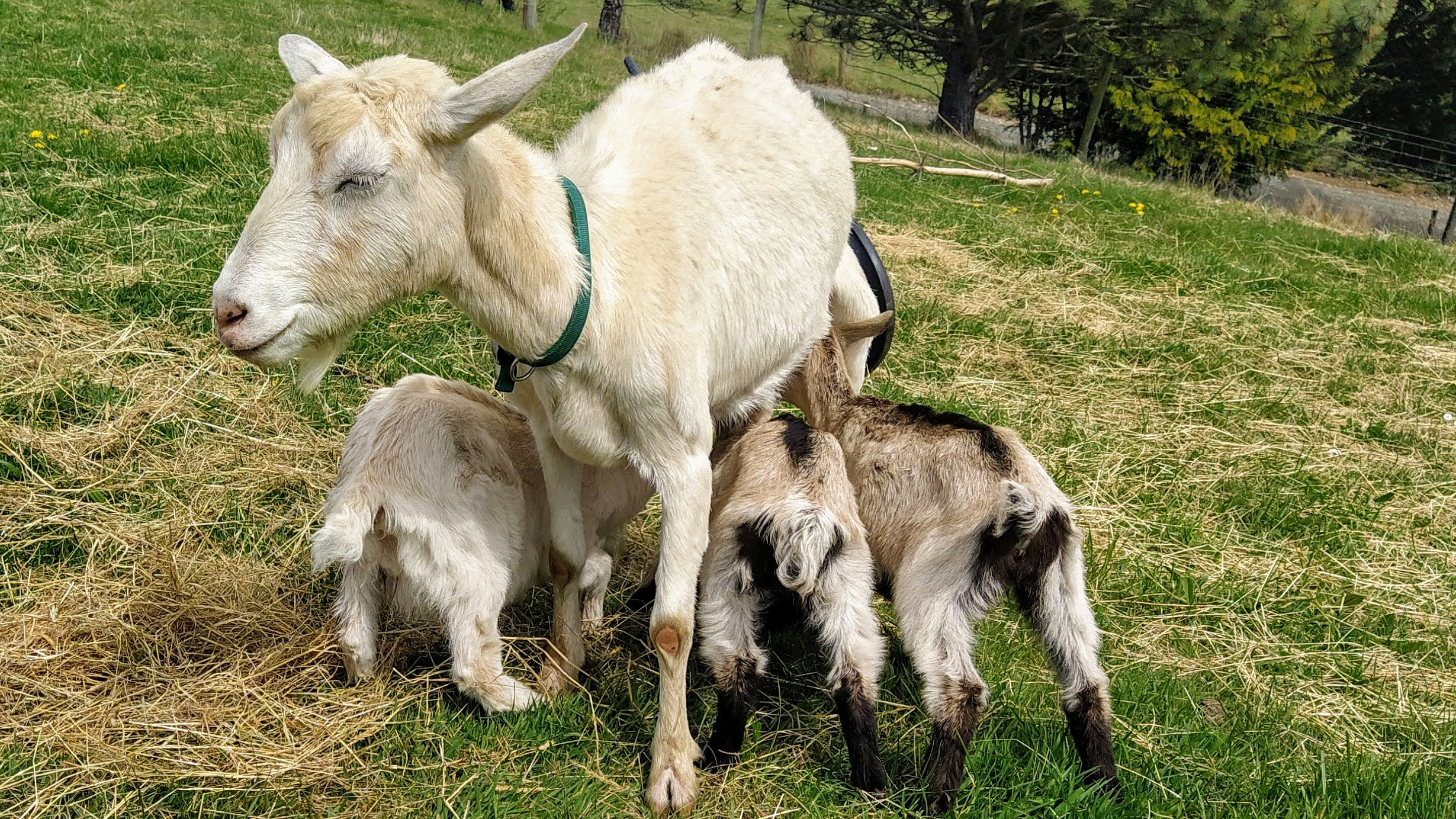
Happy British Mothers’ Day!
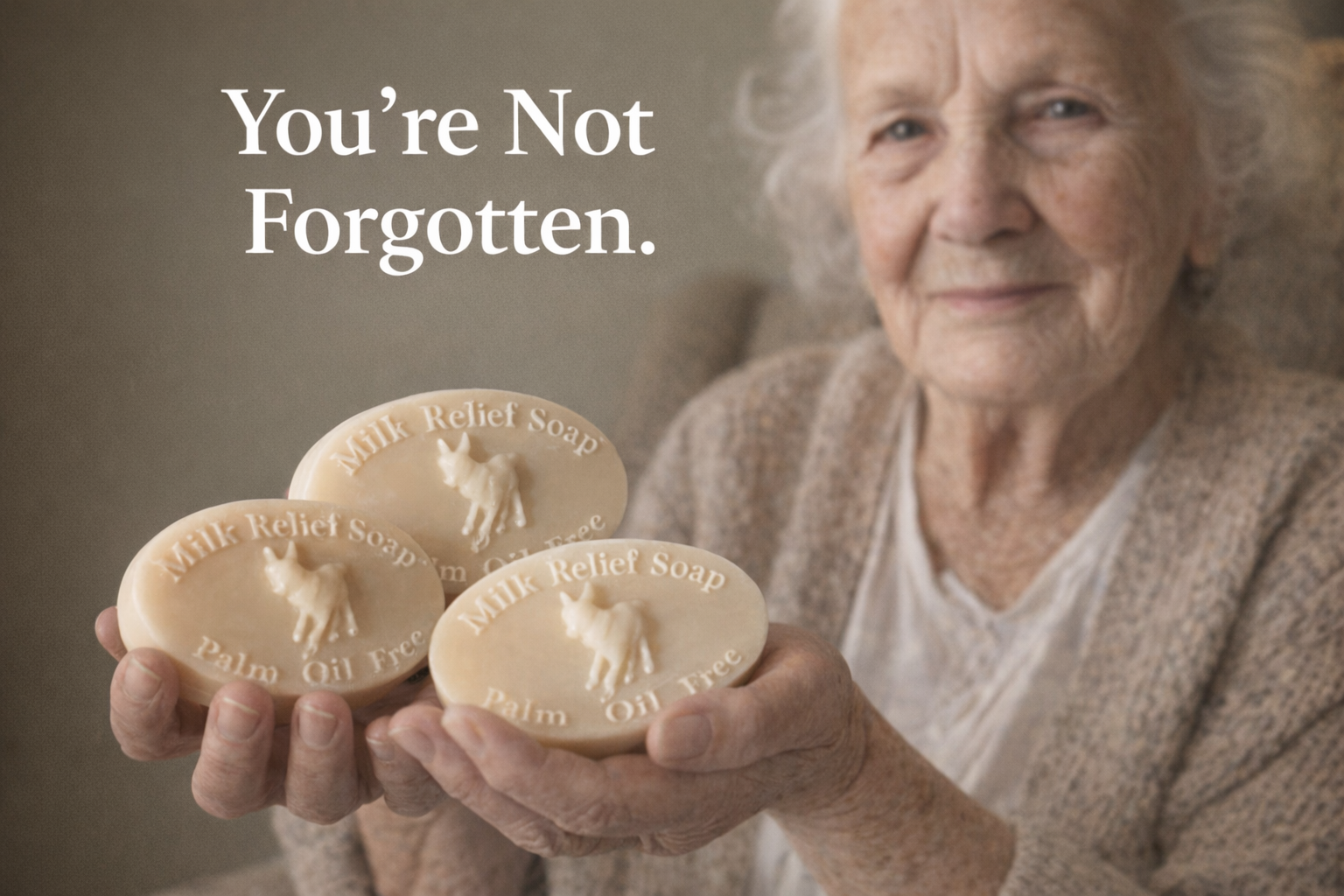
Even if it has been years since you purchased, you’re not forgotten.
Recently, someone asked about our soap. At the time of their enquiry — and still now, as I write this — it can’t be found online.
But they remembered it. They wanted to buy more.
Before we continue that story, let’s pause to point something out.
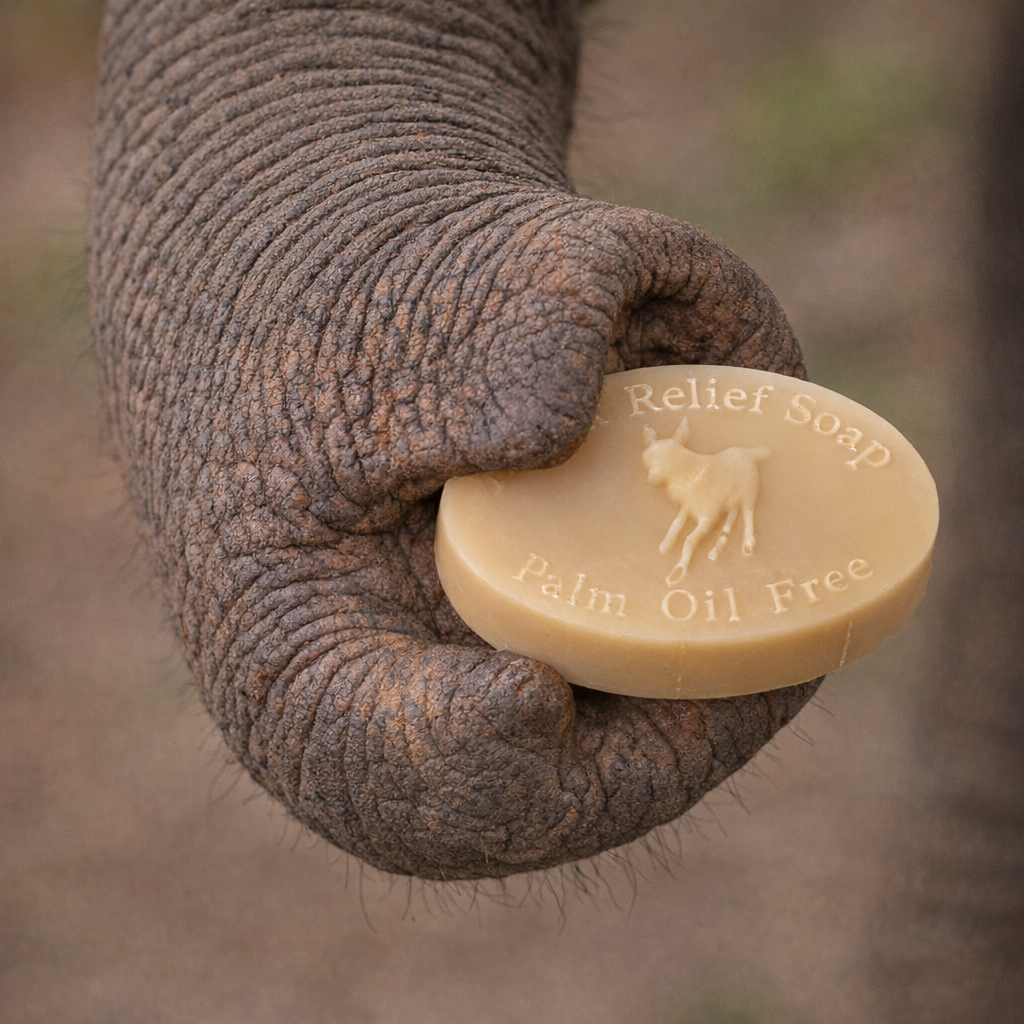
Elephants are known for their memory. Goats too — once they’ve had a good sniff. But we humans? Sometimes we outsource memory to software.
Your data is collected here on the website through its plugins, our web hosting and email systems, and the customer relationship software we use to remember who people are and what we wrote or said to them.
The other day, we received an email. It had been a long time since we’d heard from this customer. Their name didn’t ‘ring a bell,’ but their email address matched a record in our CRM.
Right now, when the soap is out of stock, it simply disappears from the website — which is why they couldn’t find it.
We’ll have an increased supply available from April 6, 2026. In the meantime, feel free to sign up for our emails, or keep an eye out — we’ll let you know the moment it’s back.
We wrote about Trump Tariffs in November 2025. We made a post stating that we take responsibility. Just recently, it was announced that NZPost awaits further clarification of the latest developments from the Trump administration.

As it is, the US Supreme Court provided clarification of the legality of the previous tariffs. There is no need for us to start having a tantrum, because very little has changed to date.
The Smith Family Soapmakers await further clarification via NZPost about what to do next. NZPost await a further Trump Executive Order to be published in the White House.
Photo source: https://www.whitehouse.gov/gallery/president-donald-trump-delivers-remarks-on-the-supreme-court-ruling-on-tariffs/
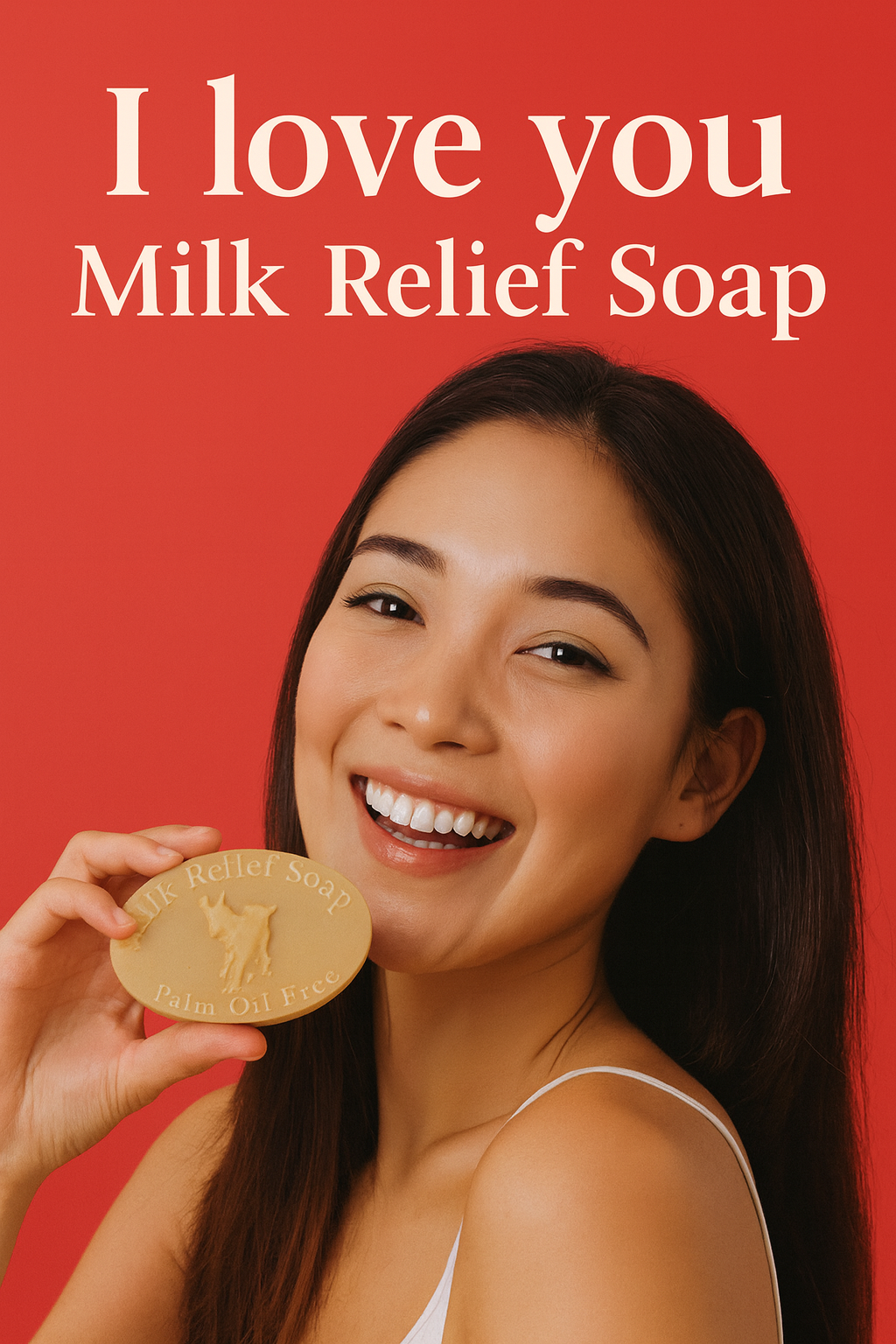
Milk Relief Soap says “I love you” with skin that does not itch and wake you up at night. Is that love to you?
The Trump Tariffs land in our court. NZPost, our local postal service provider, will send your order to an international postal service provider, such as USPS, if Shy Sheep Limited pays the tariff.
Before your parcel enters transport to the nearest Post Sorting for a plane trip to Auckland, we will pay the Tariffs and Administration fees.

Here is what we know.
“From Monday, 17 November, all parcels sent to the United States and Puerto Rico will be subject to additional duties and taxes, plus admin fees. These charges are calculated based on the items in your parcel and where each item comes from.”
So the key message here is that we are paying the fees. You are paying what we have placed on our website. When we decide to change this, we will let you know with an update.
Here is a link to our story.
Who exactly will be paying for Trump’s tariffs on products from this website?
Currently, we are paying for Trump’s tariffs on items bought from this site. The tax only applies to those items being couriered to the USA jurisdiction.
Will this continue? We’ll see. Once we see a clear pattern, we can adjust our pricing to suit.
This statement was issued on 17 October 2025. The November update is here.
“I have purchased your soap several times now, but I am wondering is it soap free?” See below the video for our response. This question arrived in September 2022, on the 30th, to be precise.
Thanks for getting in touch. To answer your question, no, Milk Relief Soap is not a soap-free cleaning bar. Milk Relief Soap is pure soap, made the old-fashioned way.
Some people consider all soap to be bad, so below we’ll paste a response we wrote in the past to one of our enquiries from someone who thought soap was bad because it contains lye.
If you hear of any real soap being made without lye, it’s an outright lie. It is most probably a “cleansing bar” which is a concoction of synthetic ingredients.
It’s impossible to make real soap without lye, but absolutely no lye is left in soap once the oils are turned into soap. There is absolutely no alternative around. For a solid bar of soap, you need sodium hydroxide. For liquid soap, you need potassium hydroxide. Both are considered lye.
You can read more about lye in soap making here:
http://www.millersoap.com/SoapFAQs.html#1
We agree that mass-produced soap can be very harsh and drying for your skin, but properly saponified handmade soap is the most gentle and natural cleanser around. Soap has been around for thousands of years.
“Soap free” cleansers have all sorts of trash in them which we avoid at all costs for our family. You should do some research into how good pure soap can be.
This testimonial was taken from a real email we received from our customer in the US. She gave us permission to use it, and even supplied a photo of herself with her son. You can see it on this page:
http://www.palmoilfreesoap.com/palm-oil-free-soap-reviews/
This is unedited straight from her email:
“The soap is great ! I am very impressed with how it doesn’t irritate mine, or my sons skin. While waiting for your soap to arrive I purchased another goats milk soap in the states which came in 3 days. Although, it had very pure ingredients ( olive oil, goat milk) it caused little circular eczema patches on my son, and my left arm.
I was ready to give up on finding a natural soap as Aleppo, marseille, castile, and another goats milk soap all caused me to itch with a rash from head to toe.
Your soap is so gentle I can use it on my face, and and as shampoo on my son. It was the first time he didn’t scream that soap was in his eyes. With every other shampoo or soap (even after its been rinsed ) it still gets in his eyes when the water streams down his face even though I thought I had rinsed him clean? It’s a constant battle washing his hair, and look forward to tearless shampooing.”
Some of our customers who have switched from “soap free” facial & body wash to Milk Relief Soap™ tell us that they never realised how their “soap free” wash wasn’t actually cleaning their skin very well, although it was gentle enough. A bar of good true bar of soap will have a powerful cleansing ability and be really gentle at the same time.

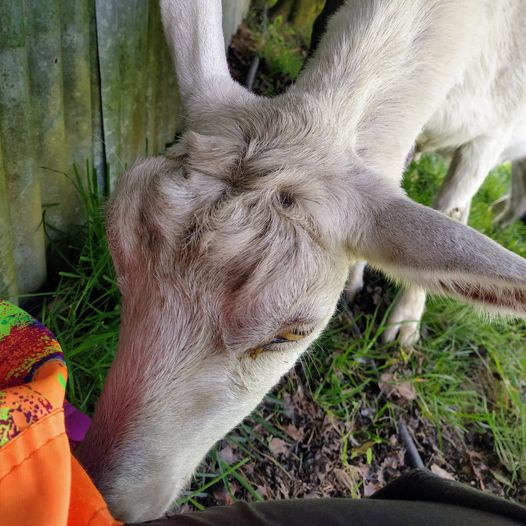
Thanks for reading. If you wish to know more about the soap, a great place to start is the ingredients page because we have a selection of 6 ingredients. 4 of them are common in every household, and one disappears.
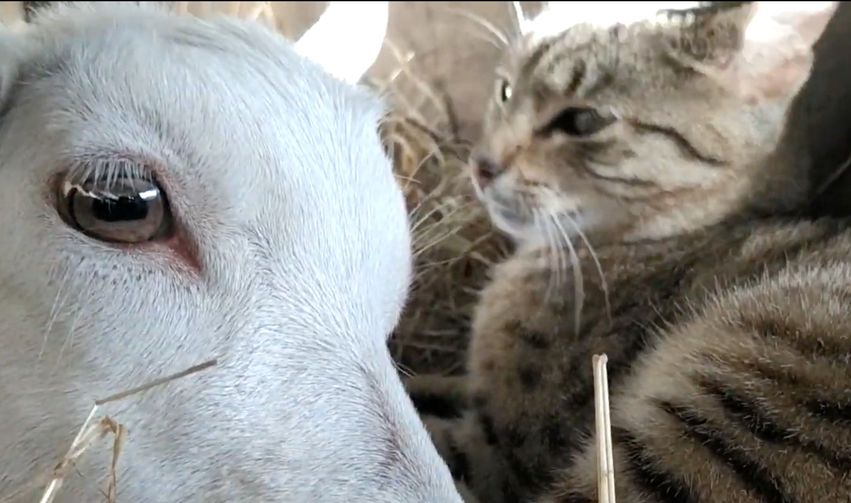
The Goat Kid and Kitty Reunion. This Goat Kid video is 12 months old. The kitty had been for a wander, and we hadn’t been able to find her. Then she just turns up again and is all friendly.
(This article originally appeared on our equally important New Zealand site, GoatMilkSoap.co.nz).
Some of you will know what happened, just from those words… That was then, now we have 2 friendly cats. One is from a litter of 4 born in the barrel the goat kid and kitty are sleeping under.
Goat Milk Soap New Zealand channel shows you our approach to natural farming for care products for dry skin, eczema and psoriasis. Dry skin is a common problem, and a common solution is to layer the skin with man-made products from a factory. Of course, these factory-made solutions are consistent, convenient, and widely available. But our family prefers natural skin care options.
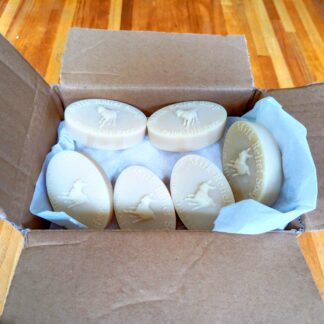
We created soap designed especially for one family’s hypersensitive skin.
After we get an order, they are shipped within 1-2 business days directly from the farm. No AMAZON! No middle man. You can buy direct from our farm, and you can see our goats in the field, right here on this channel, uploaded by the Smith Family Soapmakers.
The reunion of Goat Kid and Kitty was a year ago, at the time of this post. It is important to note that at the time of posting this, New Zealand post is providing great tracking for all of our orders. They are sent directly from our farm and factory. But, if you order 12 or more bars headed to the USA, you get the added benefit of DHL Express!
We, the Smith Family Soapmakers have a farm, and we post videos of the goats from time to time. We would love to share articles like this and farm updates with you by email. To find out more, click through to the newsletter page of this site. Firstly, let’s show some appreciation for those who have helped to get this content to you today.